Education is the process of learning and
gathering information. Education can be divided into two main types. One is
called formal learning, which is through an institution such as a school. The
other is often a self-learned life experience.
Generally, education is important for learning basic life skills, as
well as learning advanced skills that can make a person more attractive in the
job market. The fact is, what is exercised grows stronger, what is ignored
stays dormant. The classroom exercises the collection of skills and academics
leaving all other natural skills behind.
This year I decided to change my current
academic path and chose communication as my major. This semester I’m currently
taking two different communication courses. One of which is sports
communication and this course was the prime source for making a declaring a new
major. Attending college and paying to be enrolled in certain courses basically
means I’m paying to further my success and brighten my future. With the
astonishing amount of money students pay to further their education, there is
no reason not to give it your all. If you happen to fail a course or withdraw from
it, you must then pay to take the course again, ultimately costing you more
money and time exerted.
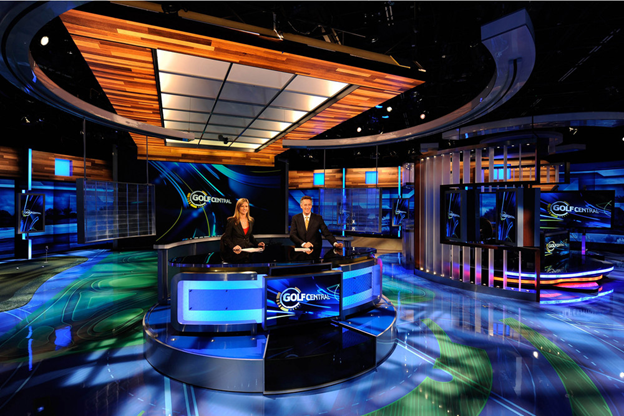 With a communications degree, there is a
large variety of career professions that you may work in. While working to
receive your degree the courses in your major likely include journalism,
broadcasting, public relations, advertising and speech communications. The
experience gained in writing and speaking make communication graduates valuable
to virtually any company.
With a communications degree, there is a
large variety of career professions that you may work in. While working to
receive your degree the courses in your major likely include journalism,
broadcasting, public relations, advertising and speech communications. The
experience gained in writing and speaking make communication graduates valuable
to virtually any company.
A degree in communications is one of
the most well rounded degrees a graduate can earn. Many communication programs
are set up with 1/3 of classes within your major and 2/3 in liberal arts.
Students learn a little about history, art, political science, computer
science, and biology in order to expand their perspectives and educational
background. Students often use those credits to add a couple of minors to that
communications degree.

No comments:
Post a Comment